NCDC says 62 Ebola contacts finished 21-day monitoring with no secondary transmission in Nigeria
None of the contacts developed the disease, but officials say this is not yet a declaration that the outbreak is over.
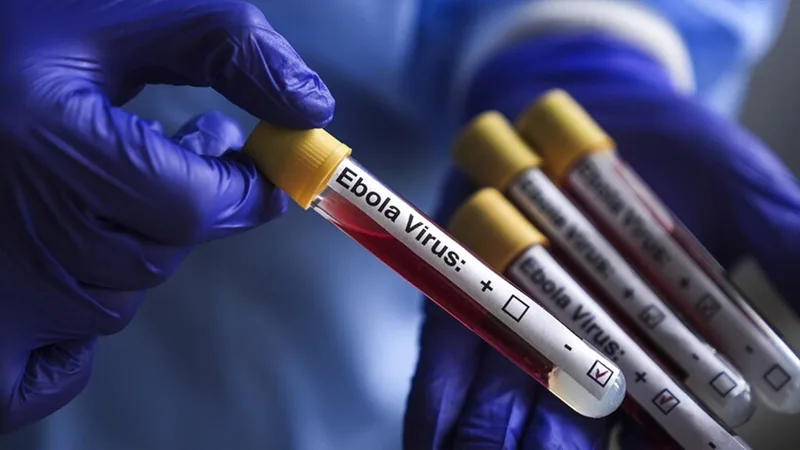
Nigeria's health authorities say all 62 contacts of the country's imported Ebola case have completed 21 days of monitoring without anyone falling ill. The Nigeria Centre for Disease Control and Prevention (NCDC) said so at a news conference in Abuja on Friday, according to Daily Trust, Al Jazeera and Punch. Punch's headline said the World Health Organization hailed Nigeria for the result.
NCDC Director-General Dr Jide Idris said the last contact was discharged after finishing the mandatory monitoring period. The case involved Bundibugyo Virus Disease and was confirmed on 20 October in the Federal Capital Territory after healthcare workers raised an alert through the agency's event-based surveillance system. Al Jazeera reported that the patient, a Swiss woman who had travelled to Uganda and then returned to Nigeria, was evacuated to Switzerland with her husband, recovered fully and has been discharged from hospital. It was Nigeria's first confirmed Ebola case in more than a decade.
Thirteen of the 62 contacts developed fever or other non-specific symptoms during monitoring, Idris said, but all tested negative after laboratory checks. Seven further alerts were reported in Adamawa, Rivers, Borno, Lagos and Ekiti within three weeks, and every suspected case tested negative.
The NCDC was careful about what the result means. Idris cautioned that completing contact monitoring is not a formal declaration that Nigeria is free of the disease, and that surveillance must continue while Ebola transmission goes on in the Democratic Republic of Congo. Al Jazeera explained that under World Health Organization protocols a country must complete a 42-day countdown from the recovery or departure of the last confirmed patient before an end-of-outbreak declaration can be made.
Idris said Nigeria has kept up heightened surveillance, with its National Emergency Operations Centre activated and the Incident Management System at Level Three, the highest response level for Ebola. The response prioritised clinical care, contact tracing, preventing further transmission, protecting healthcare workers and strengthening surveillance in affected and potentially exposed communities. Infection prevention and control was strengthened in health facilities, with training and supplies of protective equipment for staff.
Al Jazeera added that the wider outbreak was first identified in Ituri in eastern DRC in May and has since spread to several provinces there, which is why officials are not relaxing. Ebola spreads through direct contact with the bodily fluids of an infected person or through contaminated materials such as bedding and clothing.
For Nigerians, the message is reassuring but not final. No new case has been recorded, yet the country must complete the formal countdown.
SOURCE: Daily Trust