UN Chief Antonio Guterres Warns World Entering Age of Climate Extremes at COP31
Global leaders gathered in Turkey for the COP31 conference as the World Meteorological Organisation reports record temperatures and rising sea levels.
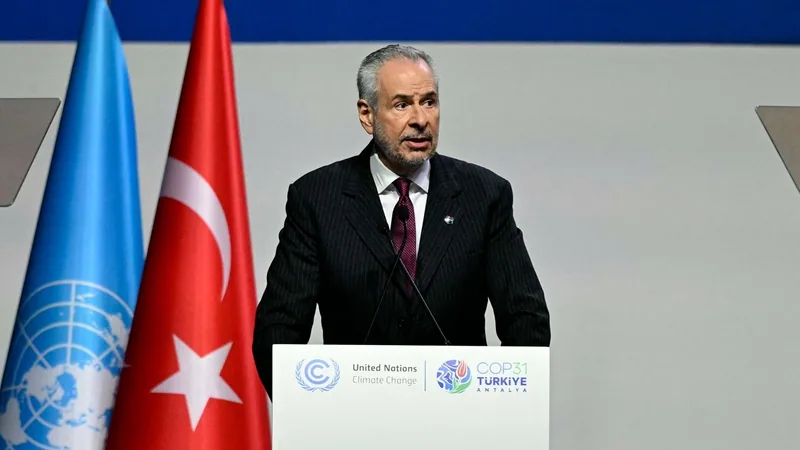
United Nations Secretary-General Antonio Guterres has warned that the world is entering a new era where climate extremes have become the norm. Speaking at the COP31 climate conference in Antalya, Turkey, Guterres urged global leaders to take immediate action to address the escalating environmental crisis.
The UN chief highlighted the impact of a powerful El Niño weather phenomenon occurring alongside a planet already warmed by human activity. He stated, "A supersized El Niño is colliding with a planet already superheated by man-made climate change."
The warning coincided with a report from the World Meteorological Organisation indicating that 2026 is on track to be one of the hottest years ever recorded. Data shows that global average surface temperatures between January and September were approximately 1.47 degrees Celsius above pre-industrial levels.
WMO chief Celeste Saulo described the current climate data as unprecedented, noting that the intensity of heatwaves, tropical cyclones, and rainstorms is exceeding historical expectations. She cautioned that the current El Niño, which could be the strongest since 1950, may lead to further record-breaking temperatures in 2027.
The report further highlighted that global sea levels have reached record highs while freshwater supplies dwindle and glaciers continue to retreat. In 2025, the rate of ice mass loss was sufficient to fill five Olympic-sized swimming pools every second.
Guterres called on international leaders to accelerate the transition away from fossil fuels and provide necessary financial support to vulnerable nations. He urged them to "get serious by cutting emissions faster, accelerating a just transition from fossil fuels and delivering the finance and protection vulnerable countries need."
Despite the grim outlook, the WMO noted a positive increase in the adoption of multi-hazard early warning systems, which have expanded from 55 countries in 2015 to 136 last year. The agency emphasized the importance of continued investment in global data-gathering to improve future forecasting.
SOURCE: Punch